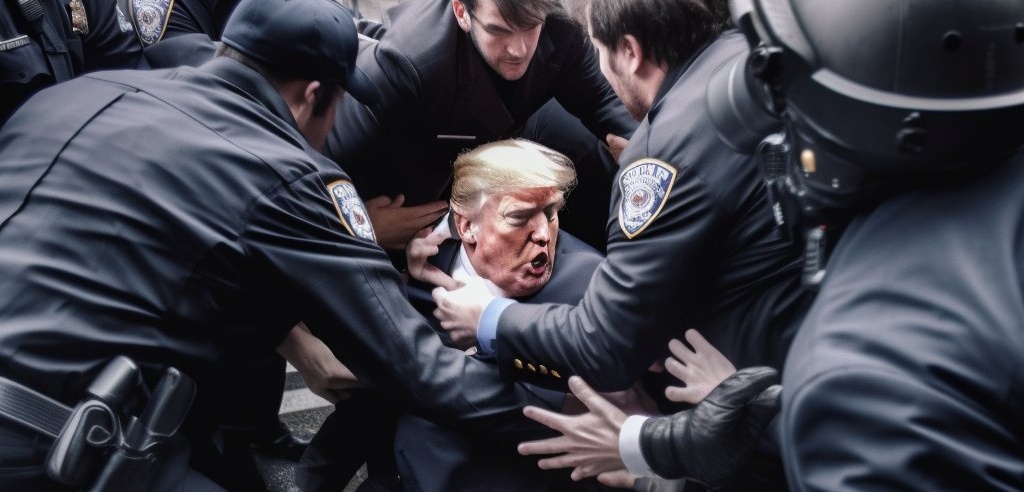

OpenAI ‘ s latest audio-visual application Sora 2 was launched in the past, not only to achieve the sound synthesis of AI video, but also to achieve tectonic progress in the simulation of physical patterns, the synchronization of sound drawings and the control of content. The application allows users to create creative AI videos and recreate them on the basis of inspiration from others. When it was launched last week, it allowed users to adjust the social architecture in which their image is used in other people ‘ s videos, which appears to address the most pressing issue of authorization for AI to generate videos. However, with Sora top application store and the harvest of millions of downloads, experts are concerned about the possibility of their re-emergence of video and AI models containing a large amount of false information generating deep-false content from late historical figures. Sora was able to produce short videos in less than a minute that the late celebrity had never experienced. For example, Kelly Fisher tried to take a flat belt and Marilyn Monroe taught Vietnamese to schoolchildren.
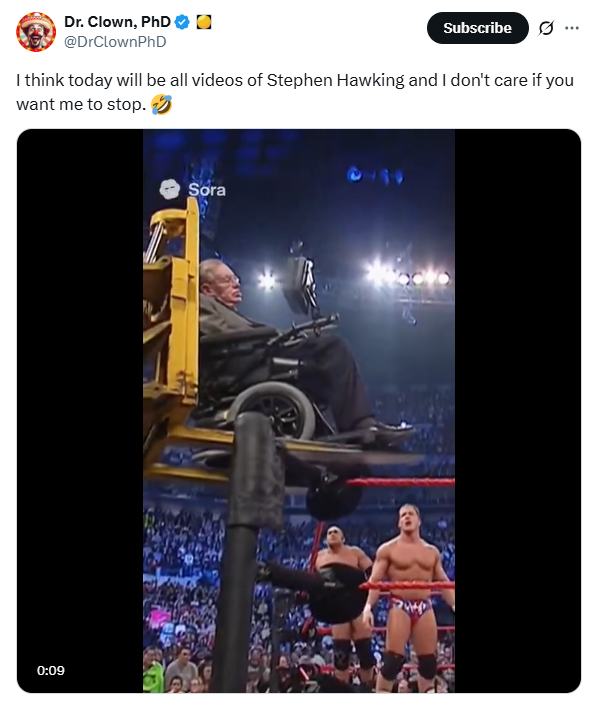
Sora created Hawking for the WWE.
Adam Straissand, representing the legacy of celebrities such as Marilyn Monroe, was a needle in this. “The challenge for AI is not the law”, he points out that the California courts have long protected the image and voice of celebrities from “AI copying”.“The question is whether a non-AI judicial process relying on humans can cope with this near-fifth dimension of the play-off game.”
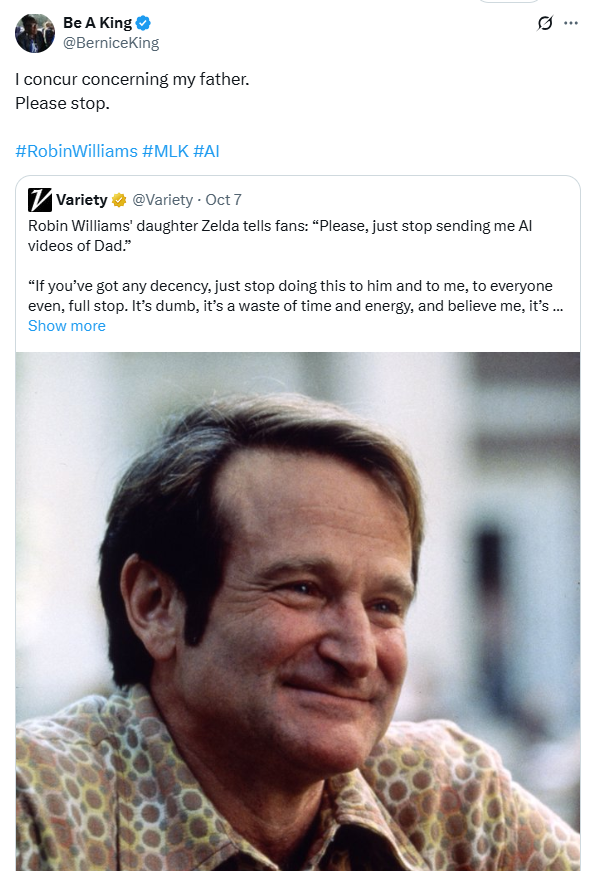
Sora is covered in a variety of hard-to-recognize AI videos, many of which appear to be falsifying in the depths of the historical moment. For example, NBC News succeeded in producing an Al-Eisenhower’s admission of a million-dollar bribe, and Mrs. Thatcher’s claim that the so-called Normandy landing was exaggerated and President Kennedy’s announcement that “the moon was fabricated” was a veritable AI video. Such unauthorised, in-depth forgery of the deceased has triggered protests by families. The late famous actor Robin Williams’ daughter, Zelda, wrote in Ins, calling: “Stop doing this to him, to me, to everyone if there is still a conscience. It’s stupid and it’s a waste of energy. The daughter of Martin Luther King, Bernes, stated on platform X: “Same for my father, please stop”. The representative “I have a dream” speech continues to be manipulated in its application. The daughter of George Kälin revealed that his family was “doing its best to combat” his deep-false video. This week’s violence video about Hawking is on platform X.
“Although the portrayal of historical figures involves important freedom of expression rights, we believe that public figures and their families should ultimately control the way images are used. A public figure who has recently passed away, whose authorized representative or estate owner may demand that the image not be used in the Sora video.” CEO Sam Altman has promised in his blog that he will soon “given the copyrighter more precise control over the creation of the role” and has revealed that many copyrighters are excited about “this new type of interactive co-creation” but want to specify how the role is to be used (including total prohibition).
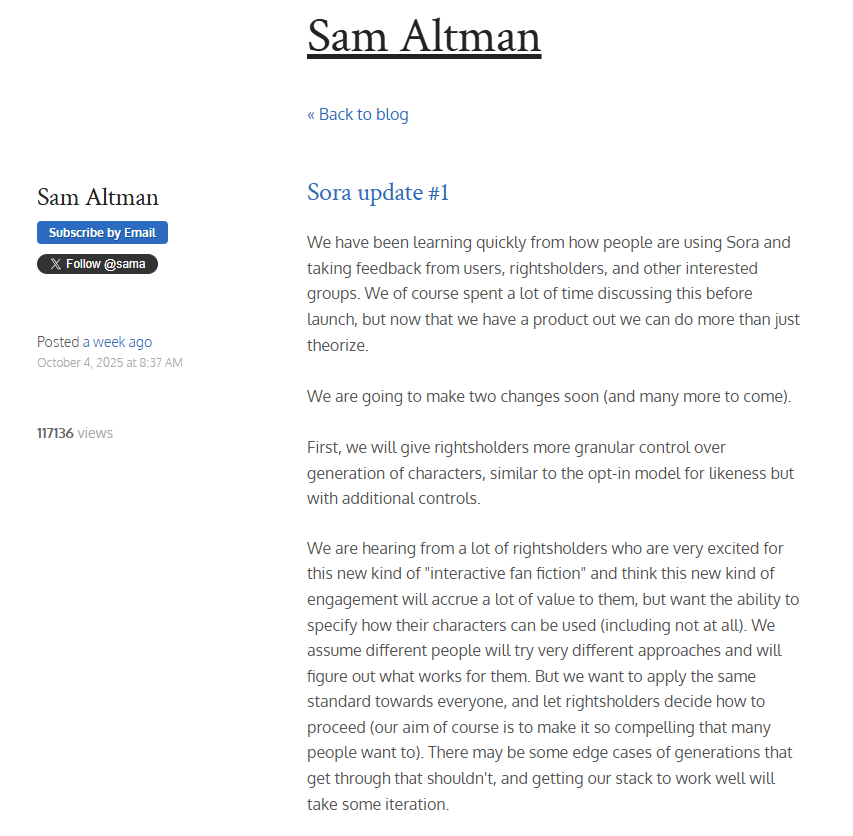
Sam Altmann.
OpenAI’s rapidly evolving policy has led commentators to question its strategy of “fast-over, breaking the rules” and is designed to show users and IP holders the power of application. The lecturer for media research at the University of United States of America noted that a deep forgery could have a double social impact: it could lead to a stalemate among the moderates, coercion by large companies, malicious forces to undermine the democratic process, and it could undermine the credibility of the real media by failing to distinguish between the true and the true. The founder of CMG Globe, Marc Rosler, manages the IP rights of over 3,000 deceased celebrities, saying that Sora is only the latest technology that raises concerns about heritage protection. “The Internet did not exist when the rights of the deceased were represented in 1981. New technologies help to maintain the vitality of the legacy of historic icons, and CMG will continue to defend its clients’ interests in the application of AI such as Sora.” To distinguish between real and AI-generated content, OpenAI has implemented multiple identifiers: invisible labels, visible watermarks and metadata. But the computer scientist at Harvard University, Sid Srinivasan, pointed out that these protections can be easily removed: “Seen watermarks and metadata can increase resistance to ordinary misuse, but cannot deter determined actors”. He believed that the most reliable option was the lack of watermarks and testing tools, but the timing of access to such tools on video platforms remained unclear. Wendy Zheng, Assistant Professor at Carnegie Mellon University, agreed with the sub-point and suggested that OpenAI share tracking tools with the Platform to automatically monitor AI content. When asked whether to share testing tools with Meta or X platforms, OpenAI only directs journalists to the technical report.
Sora Technical Report
According to Reality Defender CEO-Ben Coleman, an in-depth fraud detection company, “We are using AI to monitor the content, which may be more authentic to human eyes, but AI is able to identify the undetectable features of human beings.” Steve Grobman, Chief Technical Officer of McAfee, revealed that his fraud detection software was able to identify AI content through voiceprints, but admitted that “new tools are making the forgery more and more authentic, with one fifth of users indicating that they or their relatives have been deeply defrauded.” There are also language differences in the depth of the quality of the forgery, and the capacity of the AI tools in commonly used languages such as English, Spanish or Mandarin is far greater than in small languages. Grobman indicated that it was expanding the coverage of languages other than English as new technologies were being upgraded.
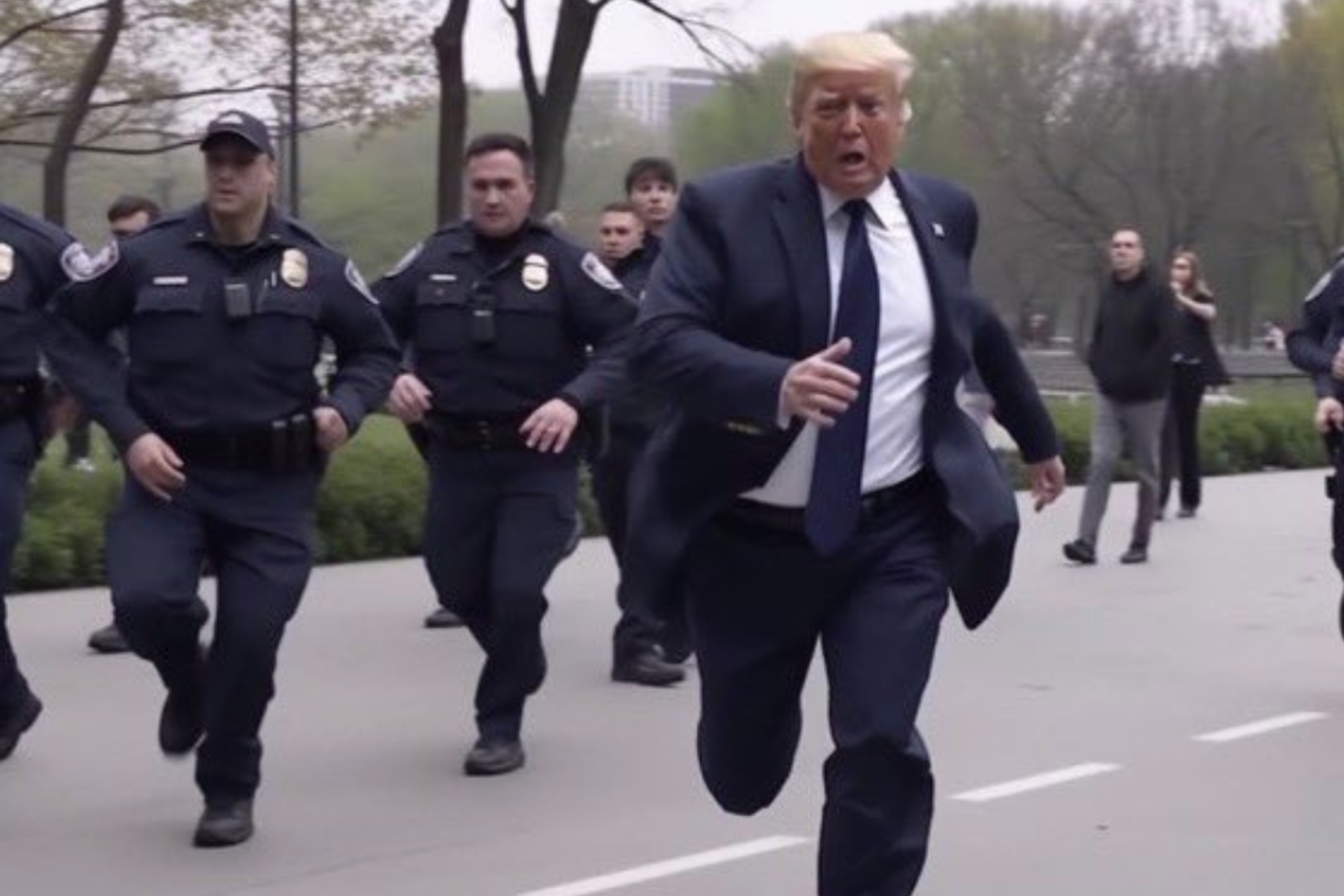
Last year, however, most observers predicted that the United States general elections in 2024 would be inundated by a deep forgery, but in fact there was no mass flooding. However, when time came in 2025, the boundaries between AI generation and real content began to blur, and the model published in 2025 was perceived by commentators as being too authentic and threatening the public ‘ s ability to discern real information. The Google Veo 3 video-generation model, released in May, was called “terriblely ” “to the point of being dangerous,” prompting commentators to ask, “Is there no way out?”