
OpenAI announced on Friday that it would start testing advertising in ChatGPT in the coming weeks. This high-profile decision may open up a new, lucrative channel for the AI start-up company. OpenAI indicated that Plus, Pro and corporate subscriptions would not see advertising, but planned to start testing with adult, free users in the United States. Its low-cost “Go Plan” was also online in the United States on the same day, and the users who chose it would also see advertisements.
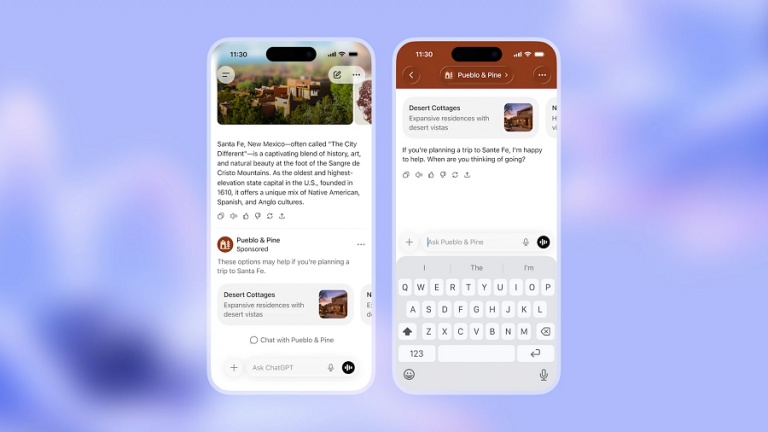
In 2025, OpenAI signed an infrastructure agreement worth over $1.4 trillion, and its CEO, Sam Altman, revealed last November that the company had an annualized revenue performance rate of $20 billion. The introduction of advertising or helping OpenAI to meet its huge spending commitments has long been a “cow” for tech giants like Google and Meta. Sam Altman wrote on platform X: “It is clear that many people want to use AI in large numbers, but do not want to pay, so we expect such business models to work.” OpenAI says that advertising will appear at the bottom of a chat robot’s response and be clearly marked, and that advertising will not affect ChatGPT’s response, and that companies “never” sell user data to advertisers.
Users under the age of 18 do not see advertisements, nor do they appear near specific topics such as politics, health and psychology. In recent years, Sam Altman has publicly expressed reservations about the introduction of advertising, which may erode the user ‘ s confidence in the product. But he revealed in his blog last November that OpenAI was expected to try advertising “at some point in time” and stressed that it was not considered to be the company’s biggest income opportunity. In its statement, OpenAI committed itself to: “We will constantly optimize the presentation of advertising in the light of feedback, but the commitment to maintain trust and be user-driven will not change.” During the testing, users can often see the reason for the advertisement, close the ad and submit their experience feedback.