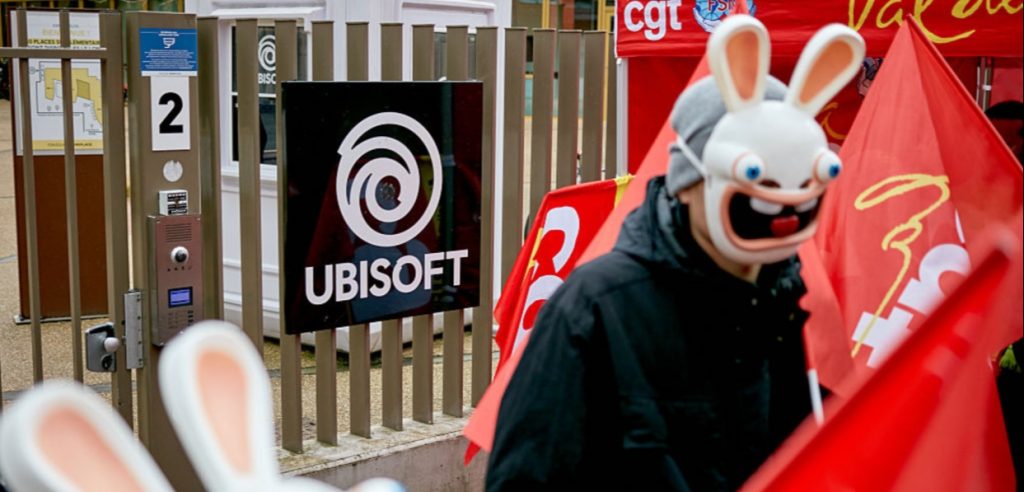

Sheba is undergoing the largest strike in history. More than 1,200 employees from France, Italy and other branches around the globe stopped working from 10 February to 12 February, and the company ‘ s operations almost stalled in protest against the strategic reorganization plan that had been proposed earlier by Phoebe, which was perceived by the staff as “a cost-cutting sacrifice of livelihoods”.
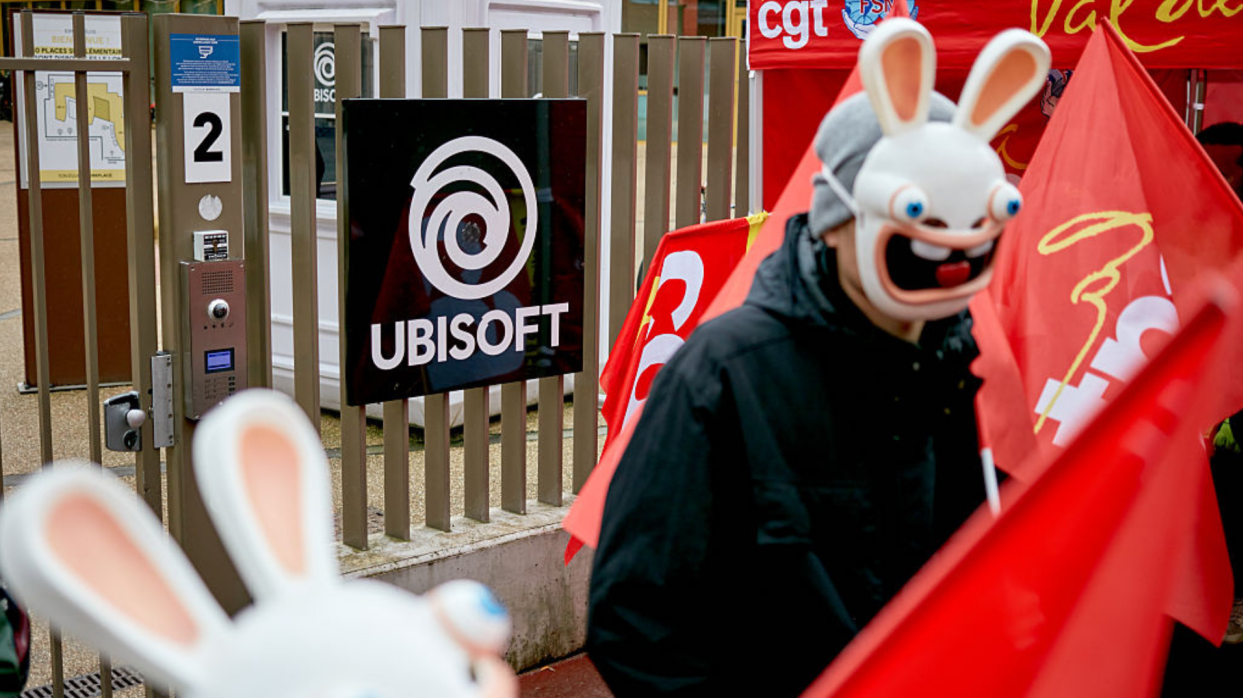
The strike was organized by unions such as Solidaires Informatique and STJV, a highly controversial policy of forced return on Fridays and a heavy lay-off programme against Paris headquarters. Tensions across the company have erupted since CEO Yves Guillermot announced the reorganization plan. The call for Yves Guillemot to step down was further exacerbated by this strike of the Nubian employees, who accused management of “a fundamental lack of understanding” of the reality of game development. At the heart of the conflict lies the leadership ‘ s decision to enforce full-time work five days a week, completely dismantling the hybrid office culture established during the epidemic. According to reports from the game industry, the trade union dismissed the reorganization as a “disguised lay-off programme” with the intention of forcing employees (especially those who had moved out of the city centre) to leave their jobs without severance pay.
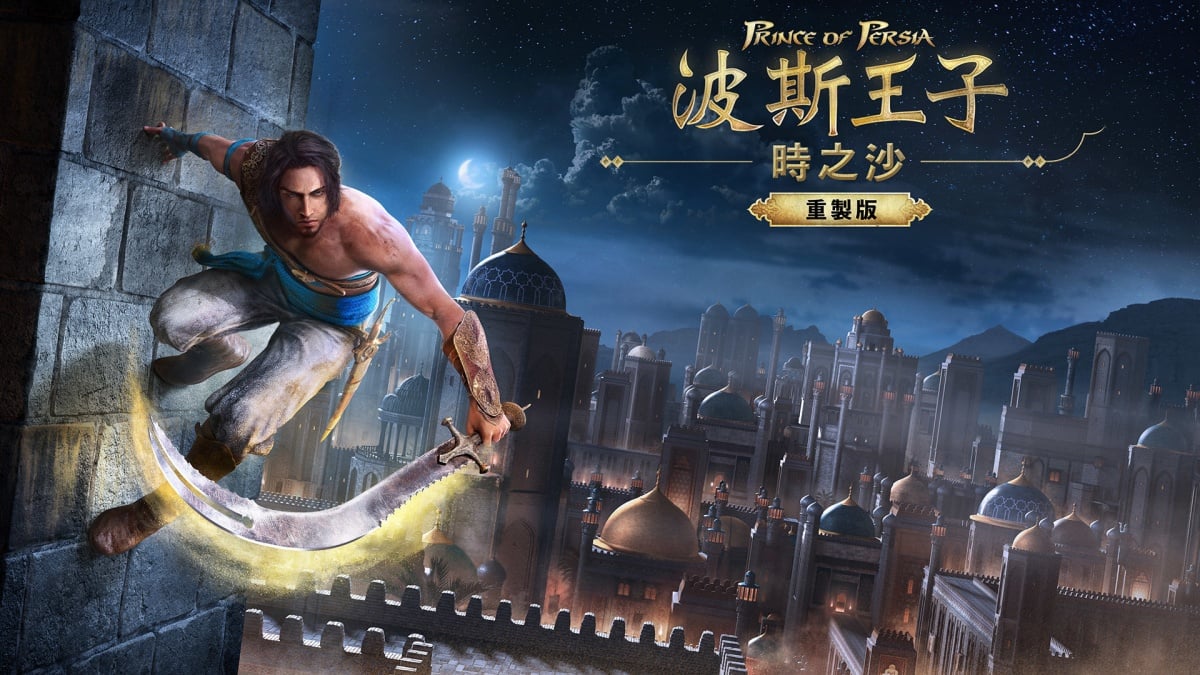
The Union of Trade Unions stated that “we are treated as children who need to be monitored”. Many staff members continue to have fully teleworking contracts at the time of entry on duty, an injunction that is physically impossible to enforce for staff who live a few hours away from Headquarters. The representative of the STJV Trade Union stated: “For these people, this policy change means that there is no other choice but to leave.” It has been confirmed that there will be a reduction in staff in the workroom in Bremen. Management plans to reduce some 200 posts through the “collectively negotiated separation process”, or about 18 per cent of the total staff of the Office. Although she described this as a necessary “cost-cutting acceleration plan”, staff considered it part of a systematic breakdown of stability. The strike was also a response to the unrest in January. In the same month, she announced the cancellation of six development projects, including the repeated postponement of Prince Persia: Time Sand, and the postponement of seven other games.
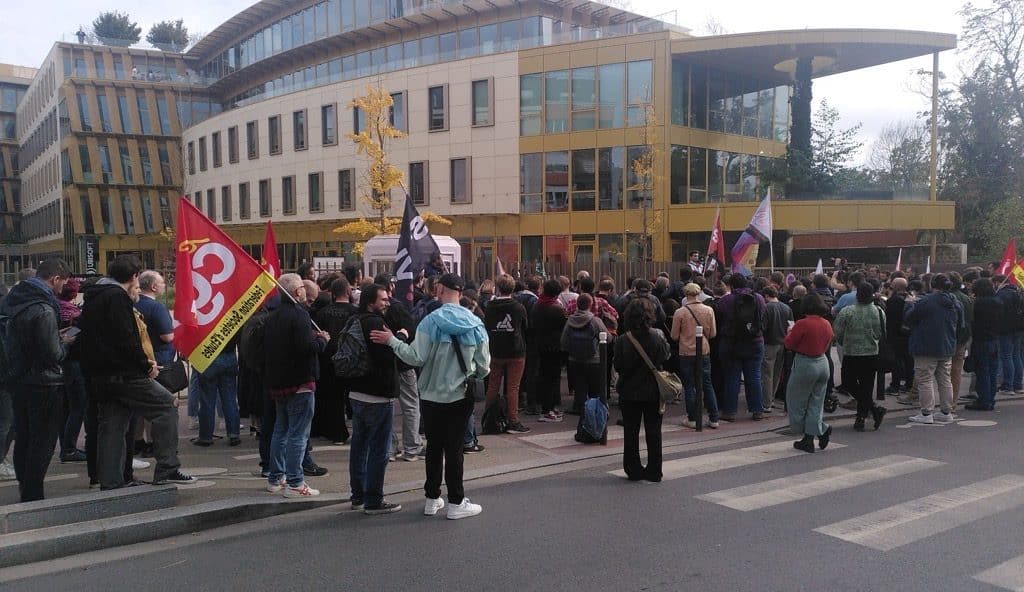
The restructuring of the company has resulted in substantial losses, and earlier this year the Hobby Halifax studio and the Stockholm Massive Enterprise were closed. Staff morale was further undermined by the dismissal of a long-serving assassin ‘ s letter developer who criticized these decisions in social media. The demonstrations outside the Paris and Milan offices reflected this anger, and the staff were united against the “catastrotic” management they spoke of. The Kubai leadership maintains that re-entry is essential to “building creativity and collaboration” and hopes to stabilize the situation through a shift to a “creative studio” model focused on the core series of “Surrel Island Fright”. However, the future is not yet clear, as no immediate concessions have been made to the strikers. Trade unions have sent a signal that they are fully prepared for further upgrading if the policy of forced return remains unchanged. Against the backdrop of a shrinking market value and an open resistance by the workforce, the entire industry is watching closely whether this historic resistance will force one of the great players in the game to change course.